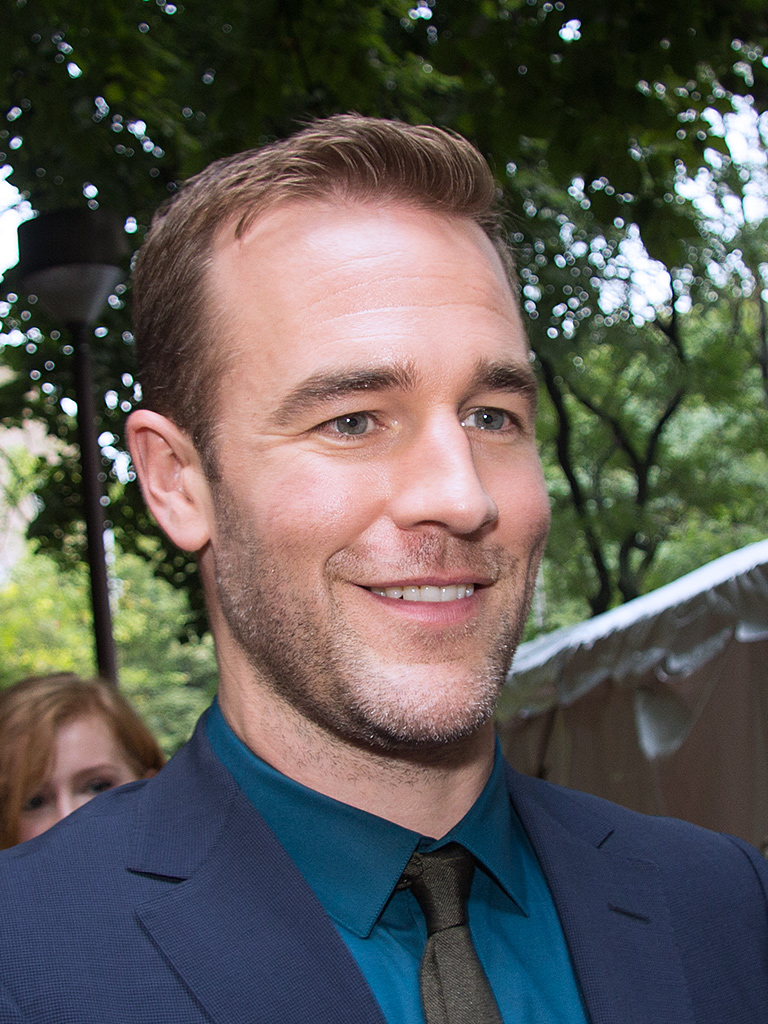
Remembering James Van Der Beek: A Beloved Star's Untimely Passing at 48
The entertainment world is mourning the profound loss of James Van Der Beek, the beloved actor best known for his iconic role as Dawson Leery in the hit series Dawson's Creek. Van Der Beek passed away at the age of 48 on February 11, 2026, after a courageous and intensely private battle with colorectal cancer. His family shared the heartbreaking news, emphasizing his unwavering courage, faith, and charity in his final days, leaving fans and colleagues deeply saddened by his untimely departure.
For many, the news of James Vanderbeek's cause of death has brought an immediate wave of nostalgia and sorrow. He was more than just a television heartthrob; he was an actor who profoundly impacted a generation, embodying the hopes, anxieties, and first loves of adolescence on screen. His passing not only marks the end of a promising career but also casts a somber spotlight on a disease that claims too many lives.
The Journey of James Van Der Beek: From Capeside to the Big Screen and Beyond
Born in Cheshire, Connecticut, in 1977, James Van Der Beek's acting journey began on the New York stage, notably with the Broadway play Sand. However, it was his pivotal role in Dawson's Creek, which premiered in 1998, that catapulted him to international stardom. As the titular character, Van Der Beek captivated audiences for six seasons, navigating the complex themes of love, friendship, and the challenges of growing up in the fictional town of Capeside. The series not only launched his career but also became a cultural touchstone, introducing other talents like Katie Holmes and Joshua Jackson to the world.
Beyond his defining role, Van Der Beek continued to showcase his versatility across various television and film productions. He embraced diverse characters, from a charming doctor in the series Mercy to an FBI agent in CSI: Cyber. More recently, in 2024, he appeared in the romantic comedy Sidelined: QB and Me, demonstrating his continued dedication to his craft. His ability to portray both dramatic depth and comedic timing endeared him to a wide audience, proving there was much more to him than just Dawson Leery.
In his personal life, Van Der Beek was a devoted family man. After his first marriage to Heather Macomb ended in 2010, he found enduring love with Kimberly Brooke, with whom he shared six children. His social media often offered glimpses into his fulfilling family life, painting a picture of a man who cherished his roles both on and off screen.
A Valiant Fight: James Van Der Beek's Battle Against Colorectal Cancer
The tragic answer to the question, "What did James Vanderbeek die of?" is a prolonged and arduous battle with stage 3 colorectal cancer. Van Der Beek received his diagnosis in August 2023 but chose to make his fight public in November 2024, nearly a year and a half into his private struggle. His decision to share his journey, even as he faced immense personal challenges, was a testament to his character and a brave effort to raise awareness for the disease.
Less than three years after his diagnosis, James Van Der Beek passed away peacefully. Throughout his treatment, he often shared insights into his experience, speaking candidly about his symptoms, the intensive treatments he underwent, and how cancer had profoundly reshaped his perspective on life. His willingness to discuss these intimate details provided an invaluable resource for others facing similar battles and highlighted the critical importance of early detection.
Van Der Beek frequently emphasized the overlooked warning signs of colorectal cancer and passionately advocated for early screening. He believed that greater awareness could save lives, a message that now resonates even more powerfully in the wake of his passing. His journey, from diagnosis to his final moments, underscores the brutal reality of cancer and the immense courage required to confront it. For a deeper dive into his personal insights, you can read more about James Van Der Beek: What He Said About Colorectal Cancer Warning Signs.
Colorectal Cancer: Understanding the Overlooked Warning Signs and Crucial Screening Guidelines
James Van Der Beek's passing serves as a stark and heartbreaking reminder of the increasing prevalence and danger of colorectal cancer, particularly among younger adults. Once primarily considered a disease of older individuals, rates of colorectal cancer in people under 50 have been steadily rising, making discussions around symptoms and screening more critical than ever.
Recognizing the Subtle Symptoms
Van Der Beek himself highlighted how easily early warning signs can be dismissed or misattributed. It’s vital to be aware of the following potential symptoms and to consult a doctor if they persist:
- Changes in Bowel Habits: This includes diarrhea, constipation, or a change in the consistency of your stool that lasts for more than a few days.
- Rectal Bleeding or Blood in Stool: This is a key symptom that should never be ignored. Blood can appear bright red or very dark.
- Persistent Abdominal Discomfort: Such as cramps, gas, or pain.
- A Feeling That Your Bowel Doesn't Empty Completely: Even after going to the bathroom.
- Weakness or Fatigue: Often due to iron-deficiency anemia caused by blood loss from the tumor.
- Unexplained Weight Loss: Losing weight without trying.
These symptoms can also be indicators of less serious conditions, but only a medical professional can provide an accurate diagnosis. Don't delay seeking advice.
The Importance of Early Screening
One of James Van Der Beek's most urgent messages was the crucial role of early screening, particularly recommending it starting at age 45. The American Cancer Society now recommends regular screening for people at average risk beginning at age 45. For individuals with a family history of colorectal cancer or certain inflammatory bowel conditions, screening might need to start even earlier.
Screening methods include:
- Colonoscopy: Considered the gold standard, it allows doctors to view the entire colon and rectum, remove polyps (which can be precancerous), and take tissue samples.
- Stool-Based Tests: Such as Fecal Immunochemical Tests (FIT) or Guaiac-based Fecal Occult Blood Tests (gFOBT), which look for hidden blood in the stool. These are less invasive but need to be done more frequently and often require a follow-up colonoscopy if positive.
Early detection significantly increases the chances of successful treatment and survival. Often, colorectal cancer begins as non-cancerous polyps that can be removed before they turn cancerous. This preventative aspect is what makes screening so incredibly powerful.
A Lasting Impact and a Call to Action
The news of James Van Der Beek's death has resonated deeply, affecting not only his devoted fanbase but also the broader artistic community. His colleagues and friends have shared an outpouring of tributes, remembering him as a talented actor, a kind soul, and a dedicated family man. His public transparency about his fight against cancer has transformed his personal tragedy into a vital public health message.
Van Der Beek’s legacy will undoubtedly extend beyond his memorable performances. By openly discussing his symptoms and emphasizing the importance of early screening, he has empowered countless individuals to pay closer attention to their own health and advocate for themselves in medical settings. His experience highlights the critical need for proactive health management and regular check-ups, especially as screening guidelines evolve.
In his final days, James Van Der Beek faced his illness with a spirit of courage and faith that truly inspired those around him. His journey has left an indelible mark, serving as a powerful reminder that even in the face of profound adversity, one can inspire hope and make a difference. To understand the full scope of his journey, you can read James Van Der Beek's Battle: From Stage 3 Diagnosis to His Passing at 48.
Conclusion
James Van Der Beek's passing at 48 from colorectal cancer is a devastating loss for his family, friends, and legions of fans worldwide. While we mourn the absence of a talented actor who graced our screens for decades, we can honor his memory by embracing the crucial message he championed: the paramount importance of early detection and screening for colorectal cancer. His courage in sharing his battle has undoubtedly raised awareness and will hopefully inspire many to take proactive steps to protect their health. His legacy, much like the characters he brought to life, will continue to inspire and resonate for generations to come.