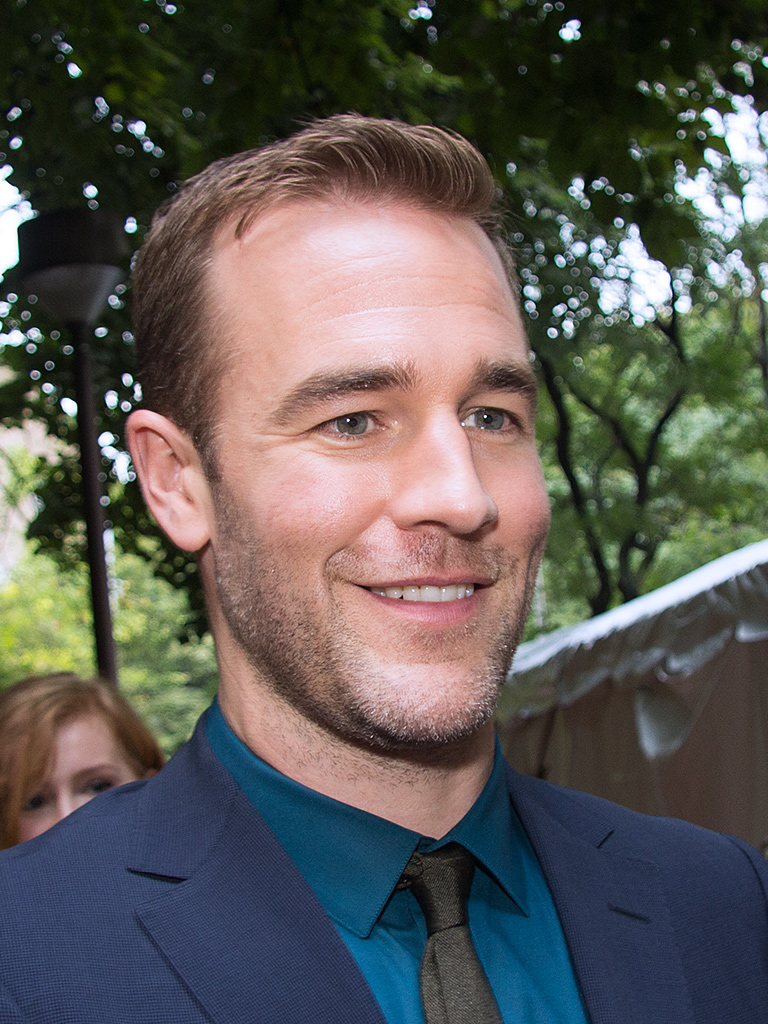
James Van Der Beek's Courageous Battle Ends: Remembering an Icon and His Fight Against Colorectal Cancer
The entertainment world recently paused in sorrow to acknowledge the passing of James Van Der Beek, the beloved actor best known for his defining role as Dawson Leery in the hit series "Dawson's Creek." At the age of 48, Van Der Beek succumbed to a courageous battle with colorectal cancer, leaving behind a legacy that transcends his on-screen performances. The news of his death on February 11, 2026, sparked an outpouring of grief from fans and colleagues alike, prompting many to ask about the
James Vanderbeek Cause Of Death and the journey that led to this tragic moment.
Van Der Beek's family confirmed his peaceful passing, sharing a heartfelt statement on his official Instagram account, praising his unwavering courage, faith, and charity in his final days. While the immediate shock revolved around the loss of a cultural icon, his struggle also brought a crucial conversation about cancer awareness, early detection, and the profound impact of such a diagnosis, even on those in the public eye.
The Battle Begins: A Stage 3 Diagnosis That Shook the World
James Van Der Beek's private struggle with colorectal cancer began long before it became public knowledge. He was diagnosed with Stage 3 colorectal cancer in August 2023. For over a year, he navigated the challenges of treatment and prognosis away from the glaring spotlight, choosing to reveal his diagnosis to the public in November 2024. This revelation, though delayed, brought a stark reality check to many who followed his career.
A Stage 3 diagnosis signifies that the cancer has grown into deeper layers of the colon or rectum and may have spread to nearby lymph nodes, but not yet to distant organs. It's a critical stage where aggressive treatment is often required, making the fight arduous and uncertain. Van Der Beek's openness about his condition, even amidst his personal battle, highlighted the often-overlooked warning signs of colon cancer and underscored the vital importance of early screening, particularly for individuals aged 45 and above. His experience serves as a poignant reminder that age is just a number when it comes to vigilance over one's health. For more insights into his public statements, you can read:
James Van Der Beek: What He Said About Colorectal Cancer Warning Signs.
What is Colorectal Cancer and Why Early Screening Matters
Colorectal cancer, often referred to as colon cancer, originates in the colon or rectum. It typically begins as small, non-cancerous clumps of cells called polyps that form on the inner lining of the colon or rectum. Over time, some of these polyps can become cancerous. The progression is often slow, offering a crucial window for detection and intervention.
Understanding the Warning Signs
While Van Der Beek specifically mentioned "overlooked warning signs," many people might dismiss subtle changes in their bodies. It's imperative to be aware of the common symptoms, which can include:
- Changes in bowel habits: Persistent diarrhea or constipation, or a change in the consistency of your stool.
- Rectal bleeding or blood in your stool: This can be bright red or very dark.
- Persistent abdominal discomfort: Cramps, gas, or pain.
- A feeling that your bowel doesn't empty completely.
- Weakness or fatigue.
- Unexplained weight loss.
It's important to remember that these symptoms can also be caused by non-cancerous conditions. However, persistent symptoms warrant a prompt visit to a healthcare professional.
The Power of Early Screening
The American Cancer Society recommends that individuals with an average risk for colorectal cancer begin regular screening at age 45. This recommendation became particularly resonant in the wake of James Van Der Beek's diagnosis and passing, as he was 48 at the time of his death, making him a prime example of why early screening guidelines exist.
Screening tests, such as colonoscopies, can detect polyps before they turn cancerous and remove them, effectively preventing the disease. They can also find cancer at an early stage, when it is most treatable. James Van Der Beek's journey tragically highlights that even a delay in detection can allow the disease to progress to a more formidable stage.
A Legacy Beyond the Creek: James Van Der Beek's Enduring Impact
While "Dawson's Creek" undoubtedly launched James Van Der Beek into global stardom in 1998, portraying the introspective and dreamy Dawson Leery through six seasons, his career was far from a one-hit wonder. Born in Cheshire, Connecticut, in 1977, he began his acting journey on the Broadway stage in "Sand." Post-Creek, he showcased his versatility in a range of roles, from a charming doctor in "Mercy" to an FBI agent in "CSI: Cyber," and more recently in the 2024 romantic comedy "Sidelined: QB and Me." His performances consistently demonstrated an actor committed to his craft, evolving beyond the teenage heartthrob image.
Beyond his professional accomplishments, Van Der Beek was a dedicated family man. After his marriage to Heather Macomb ended in 2010, he found love and built a large family with Kimberly Brooke, with whom he shared six children. His family was a cornerstone of his life, and their touching announcement of his passing spoke volumes about the man he was behind the scenes.
His death is not just a loss for the artistic community, but a profound moment of reflection on mortality and the importance of health awareness. The fact that the
Dawson's Creek Star James Van Der Beek Died at 48 From Colorectal Cancer makes his story a powerful call to action for everyone to prioritize their health.
Lessons from a Life Cut Short: Awareness and Reflection
James Van Der Beek’s battle, though ultimately tragic, carries a potent message. When public figures share their health struggles, it often humanizes conditions that can otherwise feel distant or abstract. His fight against Stage 3 colorectal cancer, and his subsequent passing at a relatively young age, underscores several critical lessons:
- The Fragility of Life: It's a stark reminder that serious illnesses can affect anyone, regardless of age, fame, or perceived health.
- Prioritizing Health: His experience serves as an urgent plea for individuals to be proactive about their health, to listen to their bodies, and not to delay seeking medical advice for persistent symptoms.
- The Power of Advocacy: Though unintended in its tragic outcome, his story has become a powerful advocacy tool for colorectal cancer awareness, encouraging countless others to consider screening.
- The Enduring Spirit: His family’s description of his courage, faith, and charity in his final days speaks to the human capacity for resilience and grace even in the face of immense adversity.
Van Der Beek's journey highlights the profound impact a serious diagnosis can have, often leading to a re-evaluation of life's priorities, a deepened appreciation for loved ones, and a strengthened sense of faith or purpose.
The loss of James Van Der Beek to colorectal cancer at 48 years old is a deeply felt tragedy, closing the chapter on a life that brought joy to millions through his acting and, in his final years, sparked vital conversations about health. The
James Vanderbeek Cause Of Death, a prolonged fight with colorectal cancer, casts a shadow but also illuminates a path forward for others – a path of greater awareness, proactive screening, and unwavering courage in the face of life's greatest challenges. His legacy will undoubtedly endure, not just through the timeless characters he portrayed, but also as a powerful catalyst for change in how we approach preventative health.